Wedding Venue Marketing in Manchester: How to Win Enquiries Before the New Year Rush
Most wedding venues and suppliers in Greater Manchester market themselves the same way: a pretty Instagram grid, a listing on a wedding directory, and a website that says "get in touch" without saying what happens next. That is a weak position, and it gets weaker every January. If you want to win wedding venue marketing in Manchester, the work is not more posting. It is being the obvious, easy, trustworthy option at the moment a couple starts searching.
Couples shortlist before they enquire
A couple who searches "wedding venues Manchester" is not ready to book. They are building a shortlist of three or four names, then enquiring with those. Your job is to make the shortlist, and then make the enquiry feel like the lowest-effort next step.
That changes where the effort goes. A venue with beautiful photography and a slow, vague website loses to a venue with decent photography and a clear page showing capacity, price guidance, available dates and a one-minute enquiry form. Couples are comparing, not browsing.
Fix your Google Business Profile first
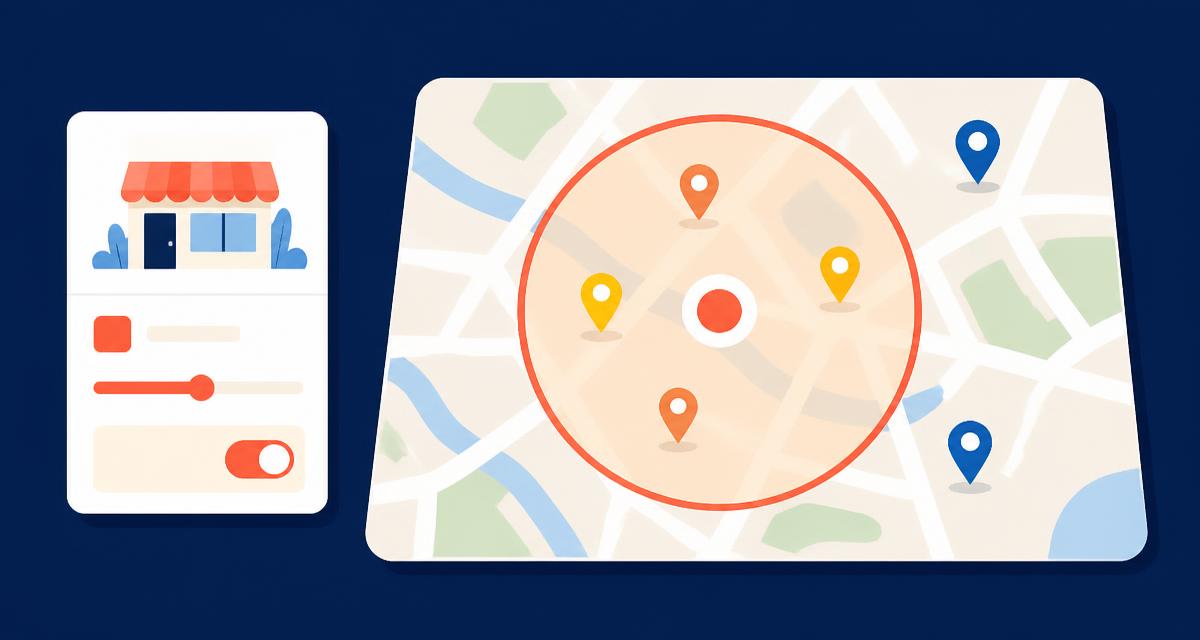
For anything with a physical location, the map listing does more work than your homepage. Google says local results are based mainly on relevance, distance and prominence, and that prominence depends partly on how many reviews you have and how well rated they are. Its guidance on improving your local ranking also says you cannot pay for a better local ranking, which is worth remembering the next time someone cold-calls you offering one.
In practice, for a venue or supplier:
- Choose the right primary category. "Wedding venue" is not the same as "Event venue". Pick the one that matches how couples search.
- Ask every couple for a review, at the right moment. Two weeks after the wedding, with a direct link, not a vague request at the final payment.
- Reply to every review. It is a trust signal for the next couple reading, not just the one who wrote it.
- Upload real photographs regularly. Rooms set for a ceremony, the car park, the route from the ceremony room to the drinks. Couples want to picture the day.
Then use the Business Profile performance data, which shows searches, profile views, direction requests, calls and website clicks. If views are healthy and calls are not, the listing is not the problem. The page behind it is.
Build pages couples can compare
Your website needs to answer the questions a couple would otherwise ask by email, because most will not bother to email until they have already decided you are worth the effort.
That means a page per venue space or service package, with capacity, indicative pricing or a starting-from figure, what is included, and honest notes on what is not. Pricing is where most venues flinch. Hiding it does not stop couples comparing; it stops them enquiring. If your price is the issue, a price-led page will not fix that, but it will stop you wasting time on couples who were never going to book.
This is also where local search work pays off. Pages that mention the real area you serve, such as Cheshire barns, city centre warehouses or Peak District country houses, rank for the specific searches couples run. Our SEO service covers this kind of structure, and if your site is the weak link, our web development work is built around fast enquiry pages that load properly on a phone. Most couples will find you on one.
Use paid search for the searches that already exist
Wedding search is high intent and the budget per booking is large, which makes it one of the better uses of Google Ads for a local business. Keep it tight. Target the specific searches that match your venue type and location, exclude the wrong ones (jobs, hire for other events, "cheap"), and send each campaign to a page that matches the search rather than your homepage.
Be honest about the limit. Paid search captures couples who are already looking. It does not create demand and it will not rescue a venue with no reviews and a confusing website. Fix the listing and the pages first, then pay for clicks.
Use paid social for the long game
Instagram and Facebook are where couples collect ideas months before they enquire. Paid social works here as a way to stay in front of people who visited your site and left, not as a cold-traffic lead machine. Retargeting couples who viewed your packages page, with a short video tour or a real wedding from your venue, is a better use of a modest budget than broad awareness campaigns.
Do not boost every post. Pick two or three formats, such as a venue walkthrough, a real wedding and a "what your day looks like" timeline, and run them to site visitors only.
Follow up faster than anyone else
This is the least glamorous advice and the most valuable. A couple who enquires with five venues will often book a viewing with the first one that replies properly. Set a rule: every enquiry gets a personal reply the same working day, with two or three viewing slots offered, not a brochure and a "let us know".
If you are paying for traffic and not tracking enquiries, you cannot tell which channel is working. At minimum, track form submissions and calls, and ask every couple at the viewing where they found you.
What to do before the new year
If you want to be ready for the post-Christmas search surge, there is a short list. Get your Business Profile in order, rewrite your key pages so they answer questions rather than describe atmosphere, set up enquiry tracking, and have a same-day reply routine in place before the first enquiry lands. Anything left until the surge has started is a month late.
We help venues and local service businesses across Manchester and the North West do exactly this. You can see how we work on our case studies page, or get in touch and we will tell you honestly where your marketing is leaking enquiries.