Marketing for Tradespeople in Manchester: Where the Enquiries Actually Come From
Most trade businesses run marketing built for considered purchases when tradespeople sell on urgency and trust. Here is what actually brings in jobs for plumbers, electricians and builders across Greater Manchester.

A boiler engineer in Wythenshawe does not need brand awareness. He needs to be the business someone finds and calls within about ninety seconds of their heating cutting out on a January evening, and he needs a five-star rating sitting there already to make that call feel safe. That is the entire brief for marketing for tradespeople in Manchester: get found at the moment of need, and look trustworthy enough to be picked over the three other plumbers showing on the same map. Most of what gets sold to trade businesses — brand campaigns, long-form content, a personality-led social presence — solves a problem trades don't actually have.
Why trade marketing doesn't behave like other local marketing
Split the demand into two types and the whole strategy gets simpler. Emergency work — burst pipes, locked-out doors, no heating — is searched for and booked within the hour, sometimes within minutes. There is no consideration phase, so your job is to be visible and to remove doubt fast: a profile stacked with recent reviews and a phone number that gets answered. Considered work — a bathroom refit, a driveway, a loft conversion — has a longer decision window, often two to six weeks, during which the customer compares three or four quotes and checks the reviews and photos of each one before deciding. A single marketing plan built for one type badly serves the other. If you offer both, say so, and treat them as two separate campaigns with two separate messages rather than one generic "trusted local tradesman" line trying to cover everything.
Your Google Business Profile matters more than your website
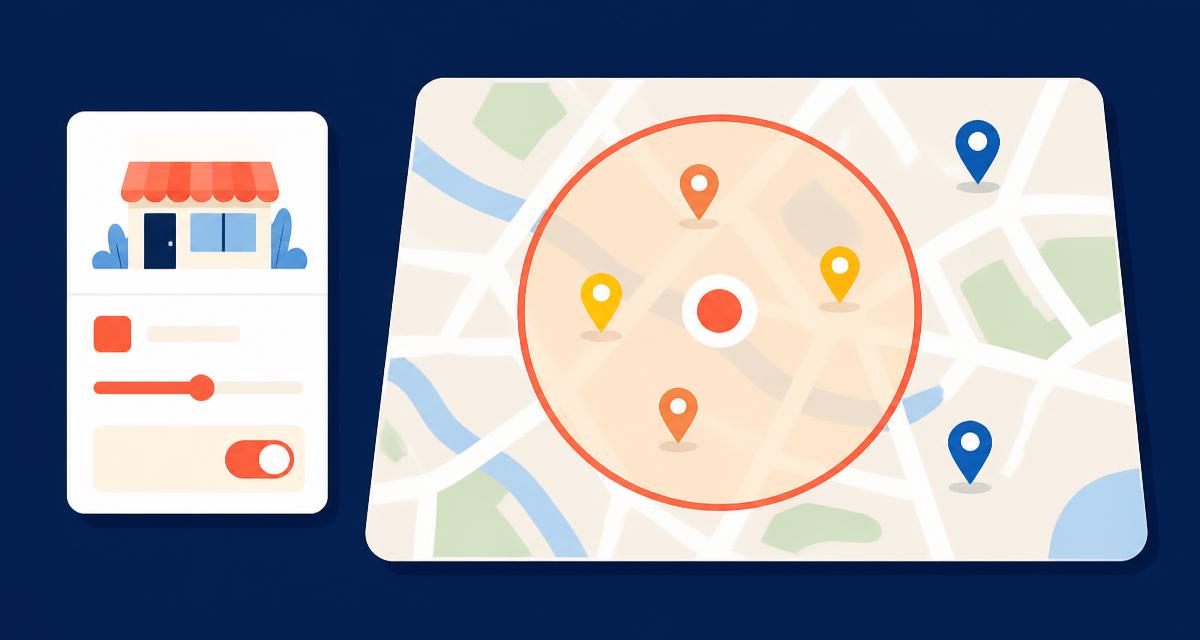
For most trade searches, the Business Profile panel is the decision point, not your homepage. Google is explicit that local ranking comes down to relevance, distance and prominence, and that prominence is shaped heavily by how many reviews you have and how well you respond to them. Complete every field: service categories, the specific areas you cover, opening hours that are actually accurate on bank holidays, and photos of real jobs rather than stock images. A profile that has been filled in properly and kept current will usually outperform an expensively built website that gets checked once, if at all, before the enquiry comes in. Good local SEO work for a trade business starts here, not with blog content nobody searching for an emergency plumber is going to read.
Reviews are not a nice-to-have
Treat review collection as a job stage, not an afterthought. BrightLocal's most recent Local Consumer Review Survey found that 97% of consumers now read reviews for local businesses before choosing one, and that the share who say they "always" check reviews has climbed sharply year on year. For a trade business, that means the invoice email or the card payment terminal receipt should carry a direct review link every single time, sent while the job is still fresh in the customer's mind. Respond to every review, good and bad — a calm, specific reply to a bad one often does more for trust than another five-star review does.
Google Ads for tradespeople: bid on the moment, not the brand
Search campaigns built around exact demand — "emergency plumber Manchester," "boiler repair same day," "roofer near me" type terms — convert far better than broad campaigns chasing brand or category terms. Use call assets so mobile users can ring directly from the ad, and build in dayparting so budget favours the hours emergencies actually happen, evenings and weekends included, rather than switching off outside a nine-to-five. Negative keywords matter more here than in most sectors: without them you will pay for clicks from people searching "how to fix a boiler myself" who were never going to book anyone. This is a channel that rewards tight management, which is where a specialist Google Ads setup earns its keep over a generic campaign left to run itself.
The problem with Checkatrade, Rated People and MyBuilder
Lead marketplaces solve a real problem — visibility when you have none — but the arrangement gets worse the better you get at your job. You are paying for a lead that three or four other tradespeople received at the same time, competing on price against people you cannot see, for a customer relationship the platform owns, not you. Every enquiry that comes through your own website or Google Business Profile instead is one you are not splitting three ways. Directories can make sense as a supplement while you build direct channels; they make a poor foundation to build a business on.
Beyond Manchester: the towns that get ignored
Most trade businesses set their targeting to "Manchester" and stop there, which means they are fighting for the most expensive, most contested searches in the region while ignoring Stockport, Salford, Bolton, Wigan, Trafford, Oldham and Bury, where competition and cost per click both tend to be lower. If you genuinely cover those areas, build a dedicated page for each one — "electrician in Stockport," "roofer in Bolton" — rather than one page trying to rank for everywhere at once. That is web development work as much as it is SEO: pages need real local detail, not the same paragraph with the town name swapped in, or Google will treat them as thin duplicates and rank none of them.
What your tracking should actually tell you
Cost per lead is the wrong number to optimise for a trade business, because a five-minute call about a job worth twenty pounds and a call that turns into a four-thousand-pound bathroom fit both count as one lead. Set up call tracking that distinguishes new customers from existing ones, and tag which enquiries actually turned into booked jobs, not just answered calls. Without that, you will happily keep funding the campaign generating volume and quietly starve the one generating profit.
Thomas's view on this, for what it's worth: the trade businesses that grow fastest in this region are rarely the ones with the flashiest marketing. They are the ones who answer the phone, follow up on quotes within a day, and ask for the review before the customer has even finished parking outside. Marketing gets you the shot; the fundamentals decide whether it converts. More on that here.
If you run a trade or home services business in Greater Manchester and want a straight assessment of where your enquiries should be coming from and aren't, get in touch and we'll walk through it.