Hospitality Marketing in Manchester: How to Fill the Quiet Weeks
Manchester venues do not lose money in December. They lose it in the thin weeks nobody planned for. How to read your demand curve, win the map pack, and time your festive push properly.
Ask a Manchester hospitality operator when marketing matters most and most will say December. By December it is too late. Hospitality marketing in Manchester is decided in the quiet weeks — the ones where you have spare covers, spare attention, and enough time to build the demand that fills the busy ones.
This is not a small market to compete in. Tourism contributed £9bn to Greater Manchester's economy and sustained over 101,000 jobs in 2019, according to the Greater Manchester Combined Authority, and the Greater Manchester Strategy for the Visitor Economy 2025–2030 targets £15bn of economic impact by 2030. More visitors, more venues, more competition for the same Saturday night.
Work out your demand curve before you spend anything
Every venue in this city has a shape to its year, and it is rarely the shape the owner assumes. A city-centre bar off Deansgate lives on Friday and Saturday nights, gig traffic from Co-op Live and the AO Arena, and the four weeks before Christmas. An Ancoats brunch spot lives on weekends and remote workers midweek. A Didsbury restaurant lives on locals who come back every six weeks.
Pull twelve months of booking or till data and plot covers by week. You are looking for two things: the weeks that are already full, and the weeks that are consistently thin. Advertising into a full week buys customers you would have had anyway. The job of paid media in hospitality is to move demand into the thin weeks and lift spend per head in the full ones.
If you change one thing this year, stop running the same flat budget every month. A seasonal business needs seasonal spend.
September decides December
Festive group bookings get locked in early. In our experience the decisions land between the start of September and the middle of October, and the person deciding is not a diner — it is an office manager with a spreadsheet and eighteen colleagues to keep happy. They are searching now: "christmas party venue manchester", "large group booking northern quarter", "christmas menu manchester city centre".
Three things need to exist before the end of September. A dedicated festive page with the menu, the per-head price, the minimum group size and a deposit process. A Google Ads campaign pointed at that page rather than at your homepage. And an enquiry form a busy person can finish in under a minute — if yours asks for a dietary requirements breakdown before it asks for a date, you are losing bookings you have already paid to acquire. That is a conversion rate problem, not a traffic problem.
The map pack does more work than your Instagram
Hospitality search intent is overwhelmingly local and overwhelmingly mobile. Someone standing on Peter Street searching "restaurant near me" is worth more to you than a thousand impressions on a reel, and what they see first is your Google Business Profile: photos, opening hours, review count, and whether the menu is actually there.
So fill it in properly. Google's menu editor lets food and drink businesses list sections, items, descriptions and prices directly on the profile, and changes can take 24 to 48 hours to appear on Search and Maps. Add LocalBusiness structured data to your site so Google can reconcile your address, hours and price range with what it already holds. Neither task is glamorous. Both decide whether you show up when someone is two streets away and hungry.
Reviews carry more weight in this sector than almost any other, and the only reliable way to get them is to ask at the table, every service, by name. That is an operations habit rather than a campaign. Our local SEO work with Manchester venues nearly always starts with the profile and the review flow before anything else gets touched.
Paid social should sell the room, not the discount
Meta and TikTok are where venues here get discovered, and where most of them waste money. The two failure modes are opposites and equally common: posting food photos with no budget behind them, and boosting 25% off to everyone within ten miles.
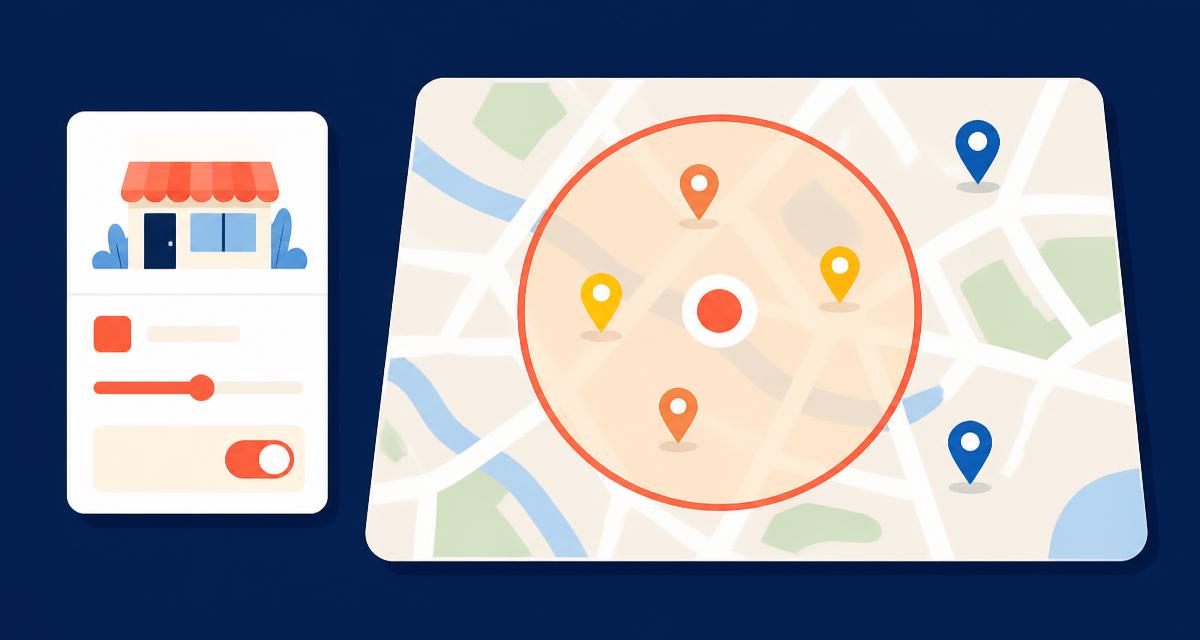
Blanket discounts train your best customers to wait for the next one. Use them to fill named thin slots — a Tuesday set menu, a 5pm early sitting — and never as a general brand message. For everything else, sell the experience: what the room feels like at eight o'clock, who is behind the bar, why the beans or the beef are what they are. Paid social works in hospitality when the creative makes someone want to be in the room and the targeting is tight enough to reach people who can physically get there. A five-mile radius around a city-centre venue covers most of south Manchester and Salford. A twenty-mile radius includes thousands of people who will never come.
Credibility in food and drink usually already exists. When we built the online storefront for no worries, bru, the Manchester speciality coffee brand, the branding was the founders' own — developed with Thomas's input rather than created by us — and our job was to build something that carried it properly. That distinction matters here more than in most sectors. The product and the story are generally the operator's. Marketing's job is to stop the website and the ads getting in the way of them.
Measure bookings, not reach
Most hospitality reporting in this city is still screenshots of Instagram insights. Reach is not revenue. Track the things that map to covers: booking form completions, reservation platform confirmations, click-to-call, direction requests from your Business Profile, and a booking source field or promo code so front-of-house data ties back to the campaign that caused it.
If you cannot say what a booking costs you to acquire, you cannot say whether the advertising works, and you will end up judging campaigns on how the photos looked. Everything else is decoration.
Manchester's hospitality market is genuinely competitive, and that is good news for anyone willing to be boring about the fundamentals — profile, page, form, timing. Operators who get those right pull away from the ones relying on being good at food alone. That is a personal view as much as an agency one, and more of it ends up on LinkedIn. If you would rather see the work than read about it, our case studies are the place to start.
If you run a venue in Greater Manchester and your quiet weeks are quieter than they should be, get in touch. We will look at your demand curve first and tell you honestly whether paid media is the right fix.