Gym and Fitness Studio Marketing in Manchester: Where the Members Actually Come From
The decision to try a Manchester gym is made on a phone days before anyone walks in. How to win the search, the trial booking and the repeat membership, not just the click.
A new member walking into a Manchester gym for their first class has usually already made up their mind. They compared two or three studios on Instagram, checked the Google reviews of the ones that looked serious, and picked whichever free trial page didn't make them create an account before telling them the price. Marketing for gyms and fitness studios in Manchester is decided in that research window, days before anyone sets foot on the gym floor, and most operators are still spending their budget as if the opposite were true.
The market is bigger than it looks, and still growing
This isn't a niche sector fighting for scraps. Visits to UK health and fitness clubs rose 10% in 2025, and 18% of the population now holds a membership, according to ukactive's 2026 market report. Membership income alone reached £5.7 billion. That growth is exactly why Manchester's studio scene has multiplied over the last few years, from the big-box gyms along the ring road to reformer Pilates, HYROX prep and bouldering studios packed into the Northern Quarter and Ancoats.
More studios chasing more members means the cost of getting noticed keeps rising, and it means the businesses winning are the ones targeting a specific decision, not "people who like exercise."
A gym search and a studio search are not the same search
Someone typing "gym near me" wants proximity, price and opening hours, fast. Someone typing "reformer pilates Ancoats" or "HYROX training Manchester" has already picked a discipline and is comparing three or four named studios against each other. Those are different jobs, and treating them the same is the most common mistake in the sector.
For big-box, high-frequency gyms, win on radius and price clarity. Your Google Business Profile and Google Ads campaigns should be built around postcodes people can actually commute from on a weekday morning, with membership cost visible in the ad rather than hidden behind a lead form. For boutique studios, win on specificity and proof. Bid on the exact class type and instructor style you offer, and let the landing page do the convincing with real class photos and a schedule, not stock imagery of someone mid-plank.
Your Google Business Profile decides who finds you before your ads do
Category selection is the single highest-leverage field on the profile, and it's the one most studios get wrong. Google's own guidance is direct about this: choose the most specific category available rather than a broad one, because it shapes how and where you appear in search results. A reformer Pilates studio listed under "Gym" is competing with every PureGym and Anytime Fitness in the postcode for a search it was never going to win. Listed under "Pilates studio," it's competing with the four other Pilates studios actually worth comparing against.
After category, the same rules apply as any local business: real photos updated regularly, class schedules kept current, and a review flow built into the end of every trial rather than chased in bursts. A profile with three-month-old class photos and a handful of reviews from 2024 reads as closed, whatever your actual attendance looks like.
The free trial page is where most budget goes to die
Fitness has one of the cleanest funnels in local marketing — click, book a trial, attend, convert to membership — and one of the leakiest first steps. If your trial booking form asks for a phone number, an emergency contact and a marketing consent tickbox before it shows the person what class they're actually booking, you are losing people you already paid to reach.
Strip the form to what's needed to hold the slot, and add the rest afterwards. Show the class time, the instructor and what to bring on the same page as the booking button. This is conversion work rather than media work, and it is nearly always cheaper to fix the page than to keep raising the ad budget to compensate for a leak in it.
Paid social should sell the room, not the discount
Instagram and TikTok are where studios in this city actually get discovered, ahead of search for anyone not yet locked into a discipline. The content that works is the same content that would make someone want to be in the room: a real class in progress, an instructor's energy, a member talking about why they kept coming back. Generic "join now, 20% off" creative gets ignored at the scroll speed everyone browses at now.
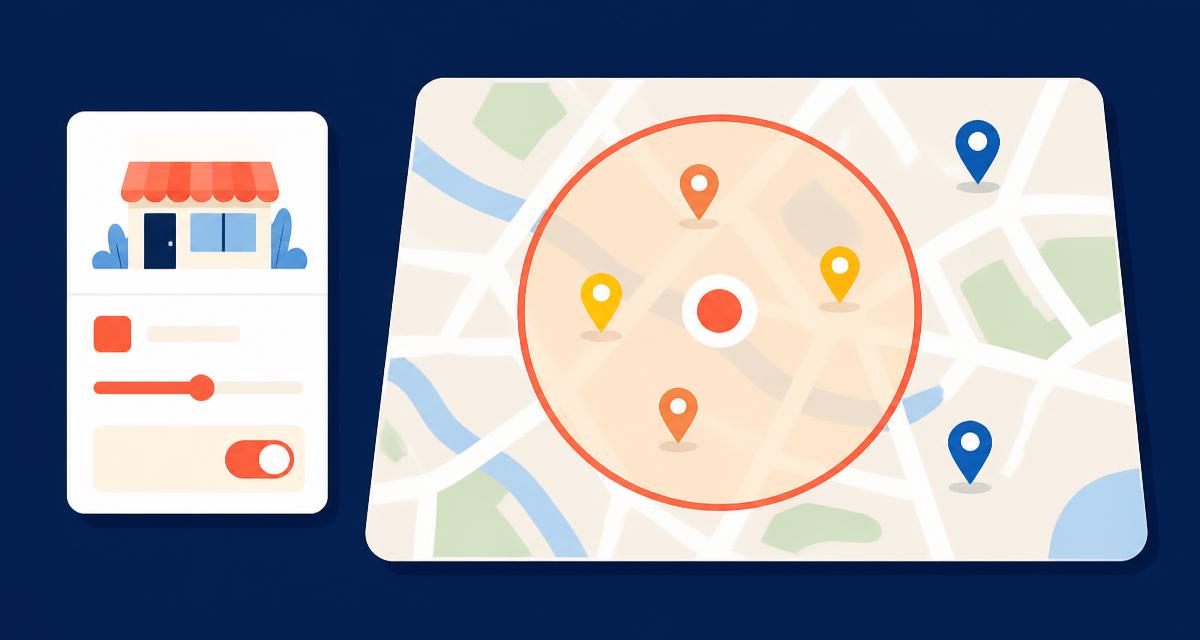
Run that discovery content through paid social rather than hoping it goes organic on its own, and keep the radius tight. A five-mile radius around a city-centre studio already covers most of the people who could realistically make a 6pm class on a weekday. Twenty miles is mostly wasted impressions.
Retention is cheaper than a second trial campaign
Most studio marketing budgets are entirely acquisition-shaped, which is a mistake in a sector this dependent on repeat attendance. A member who lapses after six weeks costs more to win back than one who never lapsed in the first place. Build a simple flow that flags falling attendance and nudges before the cancellation, not after it. It is a smaller, cheaper audience than your trial campaign, and it protects revenue you have already paid to acquire.
Measure conversions to membership, not leads
A cost-per-trial-booking number tells you almost nothing on its own. Track the full path from ad click through to trial attendance and paid membership, and judge campaigns on the last step, not the first. A channel producing cheap trial bookings that never convert is not a bargain, whatever the cost-per-lead dashboard says.
If you run a gym or studio in Greater Manchester and want a straight read on where your members are actually coming from, get in touch and we'll look at the funnel with you.