Dental Practice Marketing in Manchester: Filling the Diary Within GDC Rules
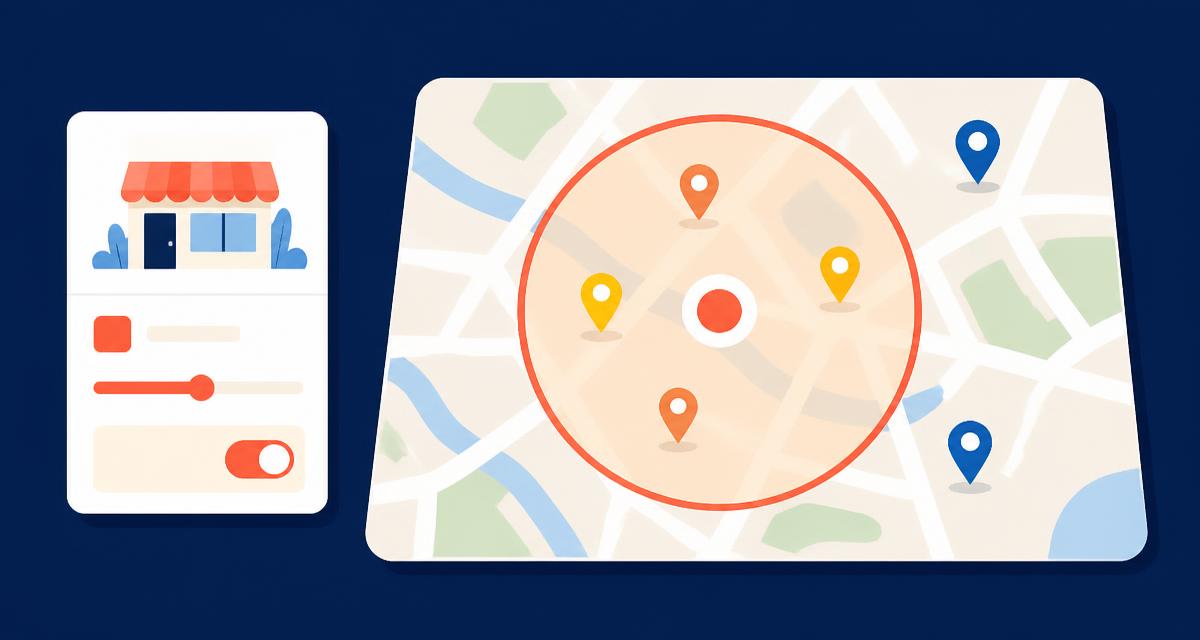
Dental practice marketing in Manchester has a constraint that most sectors never face: the regulator reads your adverts. The General Dental Council says misleading material, including material with the potential to mislead, can lead to a fitness to practise investigation. That changes how you should build your website, write your ads and describe your treatments, and it rules out a lot of what generic agencies will happily sell you.
The good news is that the rules are clear, and a compliant practice that is easy to find and easy to book gives patients fewer reasons to look elsewhere.
Start with what the GDC actually requires
The GDC's guidance on advertising sets out what a practice website must show: the practice name and geographic address, contact details including email and phone, the GDC's contact details or a link to its website, your complaints procedure, and the date the site was last updated. Any page that names a dental professional must show their qualification, the country it came from and their GDC registration number. You must also state whether the practice is NHS, mixed or wholly private.
The guidance on that page took effect on 30 September 2013, so check the GDC site for updates before you sign anything off. It is still the page the GDC publishes.
Audit your site against that list before you spend a pound on advertising. Advertising to a non-compliant site just sends more people to a liability.
Your Google Business Profile does more work than your website
For local searches, the map result is often the first thing a patient sees, ahead of your website. Your Business Profile is where that first impression forms, and you control more of it than you probably use. Google's help page on editing your profile lists what you can change: one primary category plus up to nine more, main and special hours, a description of up to 750 characters, photos, and your website link.
Get the primary category right, keep opening hours accurate (including bank holidays), and make the description plain and factual. Do not stuff it with superlatives. If you want the wider picture on ranking in the map pack, our guide to local SEO in Manchester covers it, and our SEO service is built around exactly this work.
Bid on treatments, not on the word "dentist"
A search for "dentist Manchester" is expensive and mixed. It includes people looking for an NHS appointment, people who want the nearest practice with a free slot today, and people who will never pay private fees. If you are a private or mixed practice, you are paying for a lot of the wrong clicks.
Split your campaigns by treatment. Implants, clear aligners, teeth whitening, composite bonding and general check-ups each attract different people with different values. Give each its own ad group and its own landing page. Add negative keywords for "NHS", "free" and any treatment you do not offer. Target the areas you can realistically serve, because someone in Bolton is unlikely to cross the city for a hygienist appointment. Our Google Ads service is built around this kind of structure.
Before you launch, read Google's healthcare and medicines policy and check your treatments against it. Its UK section covers online pharmacies and telemedicine and does not mention dental clinics by name, so do not assume you are exempt from checks. Test the ads and look at their status in the account.
One landing page per treatment
Sending implant enquiries to your homepage wastes the click. A treatment page should explain who the treatment suits, what the process involves, roughly how long it takes, how to book a consultation, and who the clinician is, with their GDC number visible.
The GDC asks for specific wording and restraint here. Marketing for a treatment should say it may not suit every patient and depends on a satisfactory assessment. You cannot create unjustified expectations of results. You cannot compare your clinicians' skills with other practices. Only dentists on a GDC specialist list can call themselves a specialist, so "smile specialist" in a headline is a problem.
That does not make the page dull. Good photos of the practice and team, clear pricing guidance where you can give it, and a booking form that works on a phone do more work than any claim about being the best in Manchester. If your site needs rebuilding to get there, our web development and conversion optimisation teams do that work together.
Measure booked consultations, not form fills
A dental enquiry is often a phone call, and a call that goes unanswered at 8:55am is lost revenue. Set up call tracking and conversion tracking so that Google Ads sees consultations booked, not just button clicks. Our piece on Google Ads call tracking shows how to count calls that become customers.
Then ask the reception team how many new-patient enquiries they handled this month and where each one came from. That conversation tells you more than a dashboard.
What we would not do
We would not run discount-led ads that imply a guaranteed outcome. We would not use before-and-after images without careful consent and context. We would not write copy that ranks your dentists against the practice down the road. These are the shortcuts that win a month and cost you a complaint.
Get a plan for your practice
If you run a practice in Greater Manchester and want a straight view of where your next patients should come from, get in touch. We will audit your site against the GDC requirements, check your Business Profile and tell you plainly whether paid search is worth it for the treatments you want to grow.